Cybersecurity
VoidLink shows how one developer can build advanced malware with AI
Check Point Research uncovered documents linking a complex Linux malware framework to an unusually extensive AI-assisted development process.
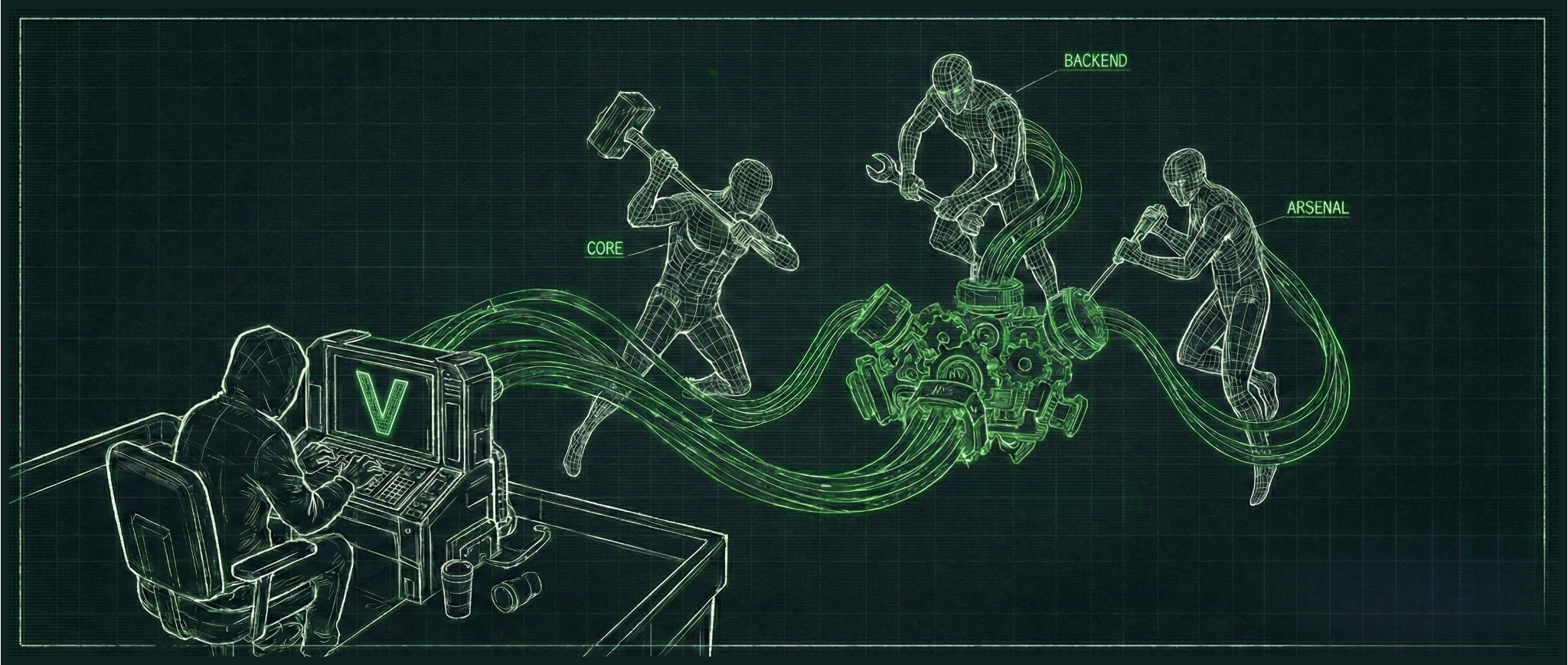
Kuva: Check Point Research, alkuperäisen VoidLink-tutkimuksen kansikuva.
A MALWARE PROJECT WITH THE FOOTPRINT OF A LARGE TEAM
When Check Point Research studied the VoidLink framework in January 2026, its architecture initially suggested a sizeable and experienced development group. The software contained multiple components and capabilities aimed at Linux and cloud environments. Evidence discovered later instead pointed to a single developer using AI on a remarkable scale.
A publicly accessible directory exposed source code, planning documents, test reports and development schedules. Investigators found that the first functioning malware component had been built in less than a week. The full project plan covered more work than could have been completed in that time, but its early progress was unusually rapid.
AI AS AN ORGANIZING SYSTEM
The developer used an AI-supported coding environment and a specification-driven workflow. Instead of asking a chatbot for isolated code snippets, the operator gave it higher-level requirements. It produced architecture descriptions, technical documents, work packages and testing instructions before writing and improving components.
This is a different kind of acceleration. The AI did not merely type faster; it helped coordinate work that might traditionally be shared by engineers, testers and documentation specialists.
WHAT IS ACTUALLY CONFIRMED?
Check Point found an advanced malware framework and persuasive evidence of AI-assisted development. The discovery should not be confused with confirmation of a worldwide campaign using VoidLink against thousands of victims.
THE PROMPT ANALYSIS
Technical sophistication no longer reliably indicates the size of the group behind a threat. Defenders should focus on what suspicious software does: privilege escalation, persistence, unusual outbound traffic and unauthorized access to cloud resources. AI can reduce the personnel and time needed to create malicious software, but basic defensive controls remain essential.
Original source: Check Point Research, 20 January 2026. https://research.checkpoint.com/2026/voidlink-early-ai-generated-malware-framework/